Working outdoors means you learn very quickly what gear can handle the elements and what can’t. For me, the biggest battle has always been against the sun—its glare bouncing off water, concrete, or even the windshield when I’m on long drives between sites. Over the years, I’ve cycled through countless pairs of sunglasses, most of them giving up within a season, either scratched to the point of uselessness or too uncomfortable to wear for hours. That changed when I stumbled upon maui jim australia.
What stood out to me first was the fabric and finishing on the frames. Most sunglasses I owned before felt rigid, almost harsh, like they were designed with aesthetics in mind but little thought for the hours someone like me would spend wearing them. With Maui, there’s an attention to material that I didn’t expect. The frame has this flexible yet firm hold, never too tight around the temples, and light enough that I sometimes forget I’ve got them on. Even after wearing them from sunrise until late afternoon, there’s no pressure point pain, no marks left behind—just that easy balance of fit and function.
Then there’s the lens. For an outdoor worker, lenses are everything. I’m not talking just about blocking sunlight; I mean how the world looks through them. Maui lenses sharpen the edges of trees against the sky, strip away that harsh whiteness of glare, and add a depth to colors that makes the workday somehow less draining. It’s almost like someone cleaned the glass of the entire outdoors. I remember one day, laying down measurements along a stretch of road where the asphalt shimmered in the heat. Usually, I’d be squinting through the haze, but with Maui, I could actually see the lines clearly without straining. That kind of detail makes a difference when precision is part of your job.
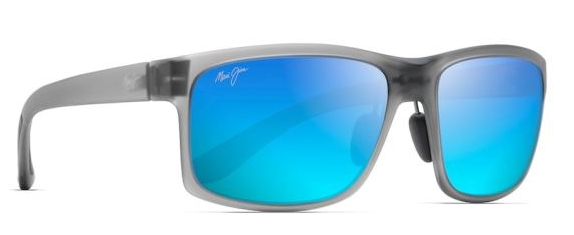
I’ll admit, the look matters too. Even though practicality drives my choices, there’s something satisfying about gear that doesn’t just work well but looks good doing it. Maui frames have this understated style—sleek without trying too hard. I’ve had coworkers ask about them, assuming they were high-fashion accessories, and I just laugh because they’re as much about comfort and survival for me as they are about looks.
One memory that sticks out happened during a three-week project in the height of summer. Long hours under the blazing sky, dust coating everything, and that constant burn of reflected light. On day ten, one of the guys I worked with showed up with red, tired eyes, complaining about headaches. He was wearing his old pair of cheap sunglasses, scratched and warped. I let him try my Maui pair for an hour. By the time he handed them back, he just shook his head and said, “No wonder you never complain.” He ended up buying his own pair by the next week.
As for my favorite style, I lean toward the wraparound designs. They’re not just about coverage; they give me the security that no angle of glare will sneak in, whether I’m leaning over a blueprint or looking up at scaffolding. The frames hold steady when I’m moving fast or bending down, never slipping off like so many others I’ve tried. For me, it’s that mix—comfort, clear vision, and durability wrapped in something that doesn’t look out of place even when I head straight from a job site to a café.
Over time, the brand has become more than just a pair of sunglasses in my work bag. They’ve become part of the rhythm of my day, almost like boots that fit just right or a jacket that breaks in perfectly. When you rely on gear to get you through long, unpredictable hours outdoors, it’s not just an accessory—it’s something you trust to carry a bit of the load. Maui managed to take that need and turn it into something that feels natural, almost effortless, to wear.