I’ve always been fascinated by the spaces where ideas are born. Not the glossy boutiques or the campaign visuals we eventually see, but the quiet, cluttered worktables where designers wrestle with details no one else will ever notice. That’s exactly where I found myself one afternoon, in a dimly lit corner of a studio that belonged to Pandora’s design team.
The first thing I noticed wasn’t the jewelry itself, but the way the table looked more like an artist’s sketchpad than a jeweler’s bench. There were scribbled notes in the margins of sketchbooks, tiny wax molds half-carved, scattered gemstones that hadn’t yet found their place. One designer, her hair tied up with a pencil, leaned so close over a piece of silver she might have been listening to it. It was in that moment I realized how personal these creations were—not accessories, but conversations between material and maker.
I asked her what she was working on. She showed me a charm that hadn’t been released yet. It was small, almost unremarkable at first glance, but the detailing was breathtaking: an intricate weave of silver around a tiny stone, inspired by the way light hits water on a cold morning. She admitted she wasn’t sure if it would ever make it into production. That uncertainty struck me. For every piece we see on shelves, there are dozens more that remain in the shadows, known only to the hands that shaped them.
As I sat there, I thought about how many times I’ve worn jewelry without considering the invisible stories they carry. A bracelet might feel like just another piece of metal, but here I was watching it being coaxed into life—each curve, each indentation a deliberate choice. The patience required was almost athletic, like training for something that demands both endurance and precision. It’s easy to forget that before a bracelet becomes a symbol of someone’s birthday, anniversary, or quiet self-celebration, it’s been through weeks, sometimes months, of debate and reworking.
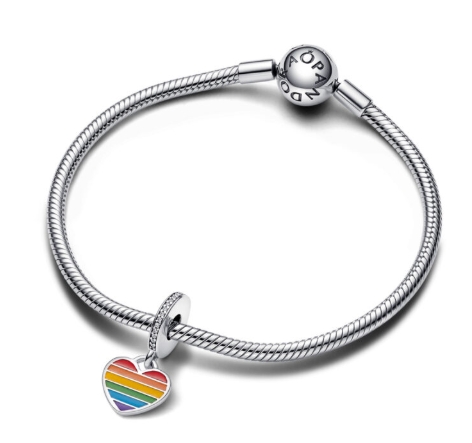
One designer pulled out a small velvet box from the corner of the desk. Inside were rejected charms. Some were “too heavy,” others “too delicate.” She laughed when she explained that perfection wasn’t about flawless beauty, but about balance—how a piece feels on the skin, how it moves when you walk, how it ages with time. That struck me deeply. Jewelry is often spoken about in terms of looks, but here it was about comfort, wearability, even intimacy.
This visit made me curious enough to dive deeper into their collections afterward. Browsing through pandora uk, I started noticing details I had never paid attention to before. The way clasps are designed to blend seamlessly into chains, or how stones are set not just to sparkle but to catch light differently depending on the angle. It’s almost as if once you’ve seen the bench, the jewelry itself never looks the same again.
I remember leaving the studio and looking down at the ring I’d worn for years. Suddenly it felt heavier, but not physically—heavier with meaning. Someone, somewhere, had once hunched over a worktable, coaxing that very curve of silver into existence. And though I’ll never know their name, I carry their quiet dedication with me every time I wear it.